Our solutions
Plant Information Management, in six practical areas
Every service is tailored to your organisation, plant and project requirements. We work with your teams, processes, software and suppliers to make BIM and PIM practical across the asset lifecycle, from planning and delivery to handover, operations and maintenance.
Solution 01
BIM and PIM Governance
Direction
BIM and PIM governance tailored to your plant and your organisation.
The problem
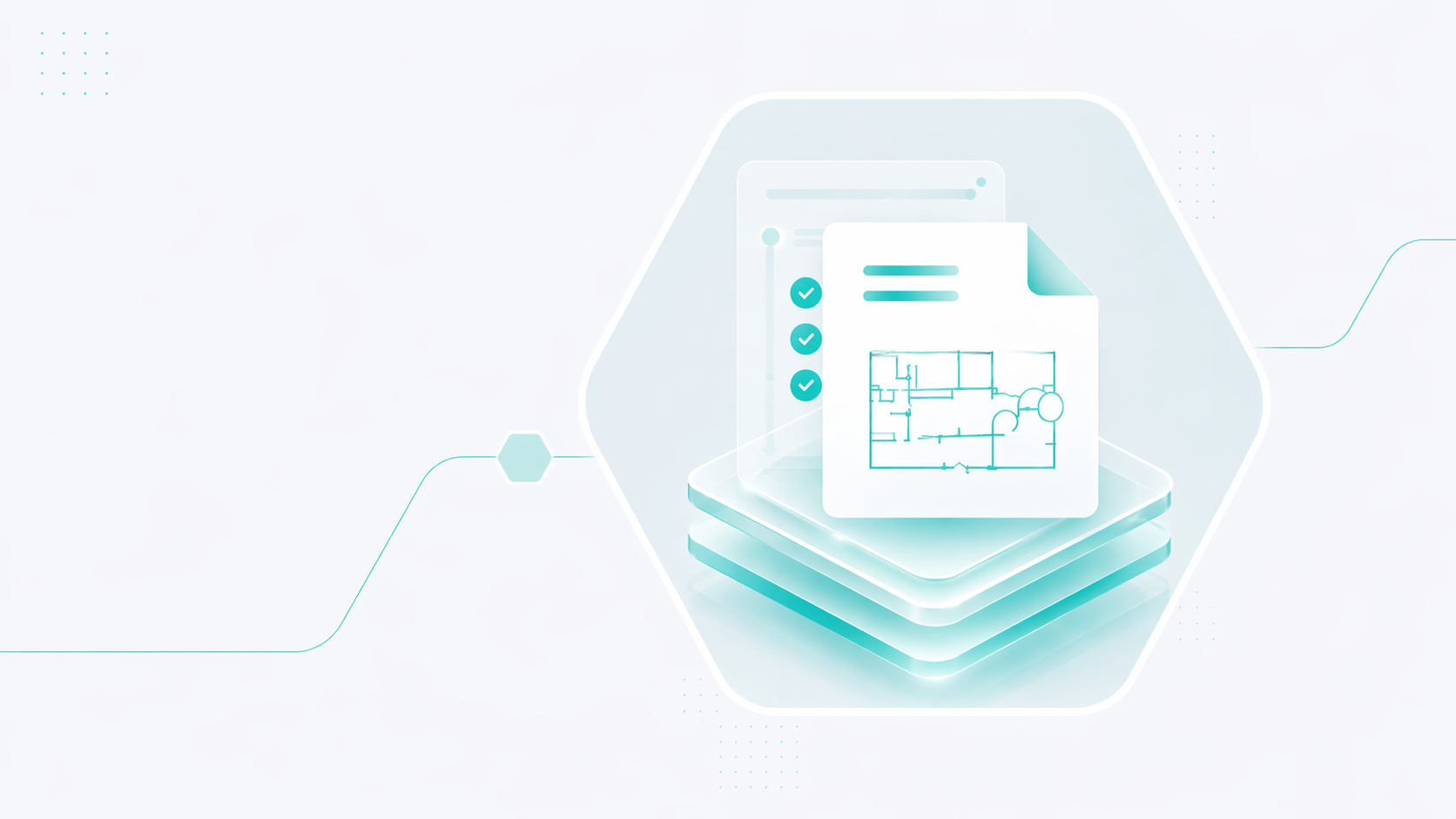
A generic BIM plan rarely reflects a plant's engineering tools, tag structures, supplier contracts or delivery interfaces. The rules exist, but teams cannot apply them consistently.
What we do
- Translate applicable legal, contractual and client information requirements into a plant specific BIM and PIM approach, shaped around your organisation, processes, software, suppliers and lifecycle needs. Apply ISO 19650 principles through practical EIR, BEP, MIDP, TIDP and LOIN requirements.
- Set CDE workflows, naming rules, responsibilities, approval gates and information delivery plans that fit the way your project operates.
- Align plant specific libraries, classification, codification, WBS, IFC mappings, data exchange rules, supplier requirements and QA rules.
Outcomes
- Clear ownership and approval responsibilities
- Consistent information delivery across disciplines and suppliers
- Governance that teams can use on a live plant project
Solution 02
Plant and BIM Integration
Direction
Plant and building information in one coordinated environment.
The problem
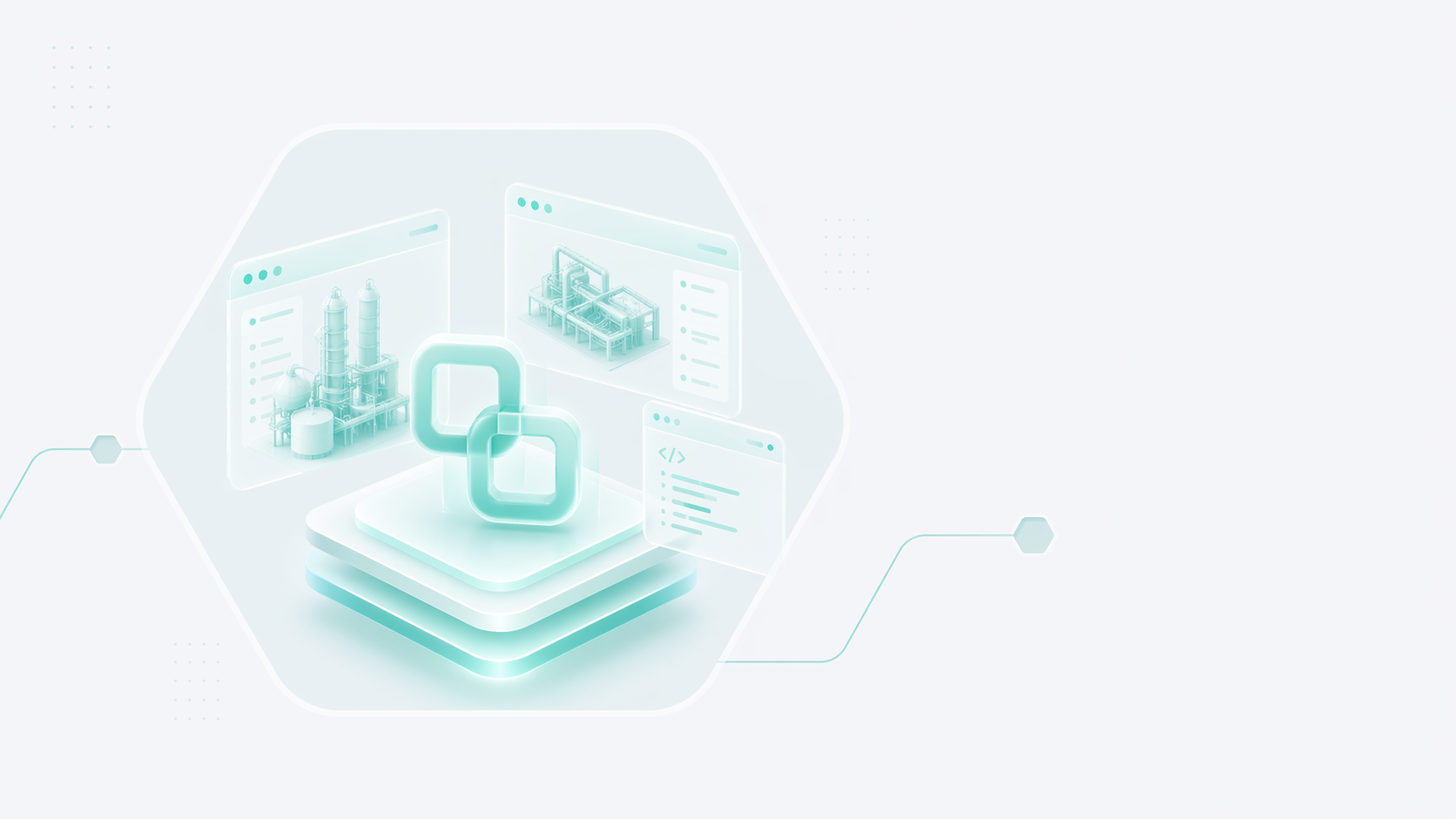
Plant engineering and building design often move in separate environments. Interfaces are reviewed in geometry while tags, attributes and supplier information are lost between systems.
What we do
- Connect process, mechanical, piping, electrical, instrumentation and control with civil, structural, architectural and MEP information.
- Work with AVEVA E3D, Hexagon Smart 3D, Autodesk Plant 3D, Revit, IFC and supplier models and data. Engineering teams keep the tools that already work.
- Define exchange mappings and coordination rules, then check that geometry, identifiers and required attributes survive each information exchange.
Outcomes
- A coordinated plant and building context
- Traceable information across tool boundaries
- Supplier inputs connected to project coordination
Solution 03
Engineering Data and Asset Intelligence
Direction
From engineering data to usable asset intelligence.

The problem
Tags, P&IDs, equipment and piping data, models, documents and vendor records can describe the same asset differently. Handover then becomes a costly exercise in reconciling sources.
What we do
- Align tags, P&IDs, equipment data, piping information, 3D models, engineering documents and vendor data so they remain reliable and consistent.
- Structure asset, O&M and maintenance information during delivery, with clear ownership, revision control and acceptance checks.
- Develop Digital Twin use cases as a purposeful extension of trusted engineering and asset information. Where useful, connect operational data and live signals for performance monitoring, anomaly detection and asset insight.
Outcomes
- Consistent engineering and asset records
- Information prepared for handover and operations
- Digital Twin use cases grounded in trusted data
Solution 04
AI, Automation and Site Intelligence
Direction
Routine checking automated, real site conditions captured reliably.

The problem
Manual checking is difficult to repeat at scale. Meanwhile, drawings and models may no longer reflect the conditions that teams find on site.
What we do
- Apply automated model and document QA, consistency checking, CDE automation and AI assisted workflows, with defined rules and accountable review.
- Use site surveys, reality capture and perception based survey to compare project information with physical conditions.
- Support automated inspection workflows and remote inspection. Robotics assisted survey is a supporting method where it fits the site, access conditions and task.
Outcomes
- Repeatable checks across models, documents and data
- Earlier visibility of inconsistencies and site differences
- Practical automation with clear human oversight
Solution 05
Cybersecurity and Red Teaming
Direction
Industrial information environments need to be secure as well as connected.
The problem
Connecting engineering platforms, suppliers, cloud systems and CDEs creates information pathways that need clear access boundaries and security controls.
What we do
- Review cybersecurity across infrastructure, servers, CDEs, cloud environments, connected systems and integrations.
- Carry out vulnerability assessment and agreed infrastructure and server testing. Translate findings into practical hardening support.
- Conduct authorized red team exercises only within an agreed scope and rules of engagement, with defined permissions, boundaries and reporting.
Outcomes
- A clear view of relevant security gaps
- Prioritized, practical hardening actions
- Controlled testing and accountable remediation
Solution 06
Specialized Industrial Support
Direction
Plant engineering experience, not civil only BIM.
The problem
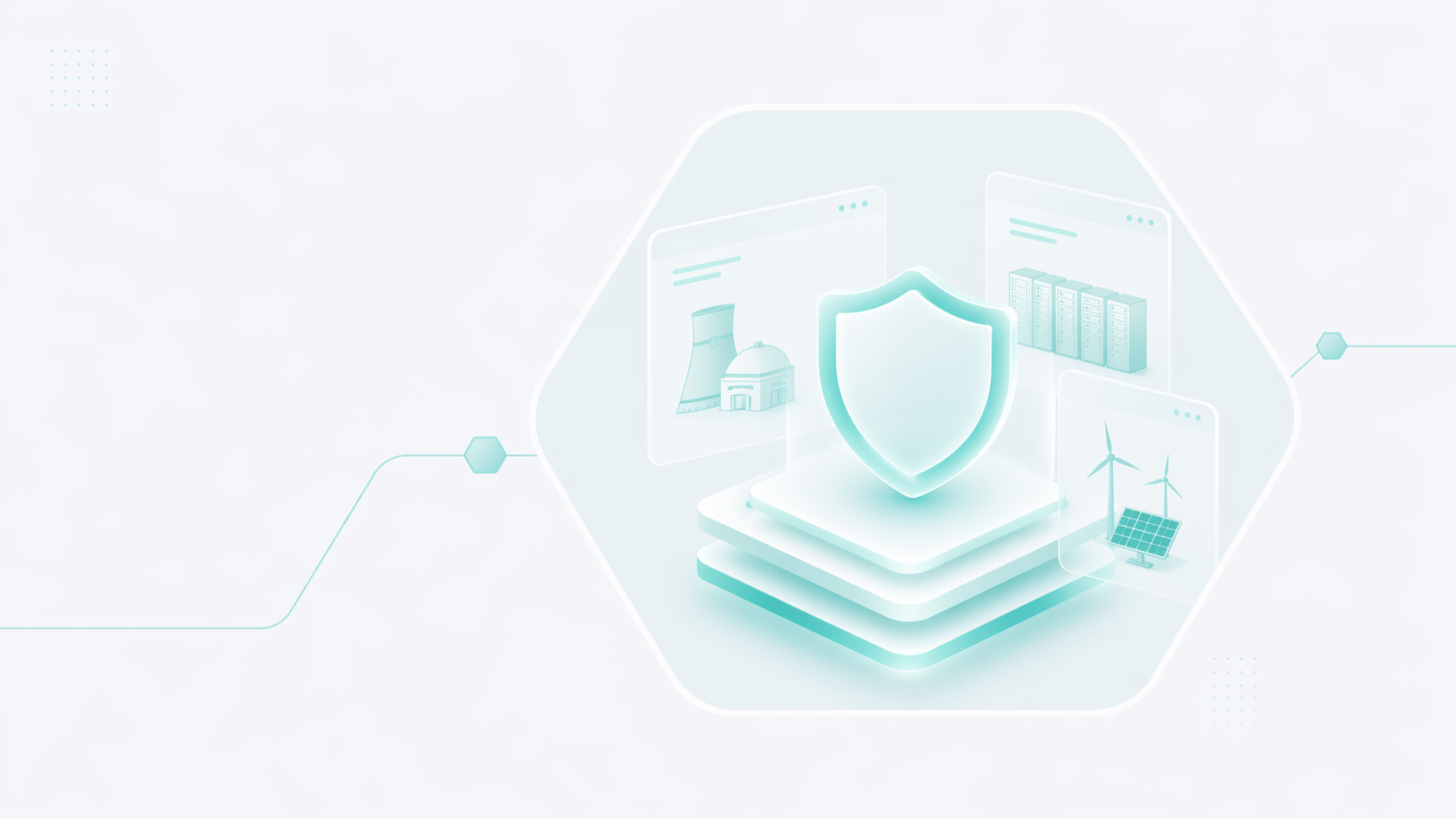
Complex industrial facilities need coordination that understands process requirements and electromechanical systems as well as the buildings around them.
What we do
- Support Waste to Energy, power plants, nuclear, process plants, life sciences, data centers, energy facilities, water treatment and other complex industrial facilities.
- Bring multidisciplinary understanding across process, mechanical, piping, electrical, instrumentation and control, civil, structural and architectural scope.
- Adapt information coordination and delivery support to the plant's interfaces and lifecycle. Use reality capture, remote inspection and robotics assisted survey as supporting methods where appropriate.
Outcomes
- Information requirements that reflect plant engineering
- Practical support across discipline and supplier interfaces
- Continuity from coordination through handover
Tell us where the information flow is breaking down.
We'll help you identify the practical next step. No long discovery process is needed.